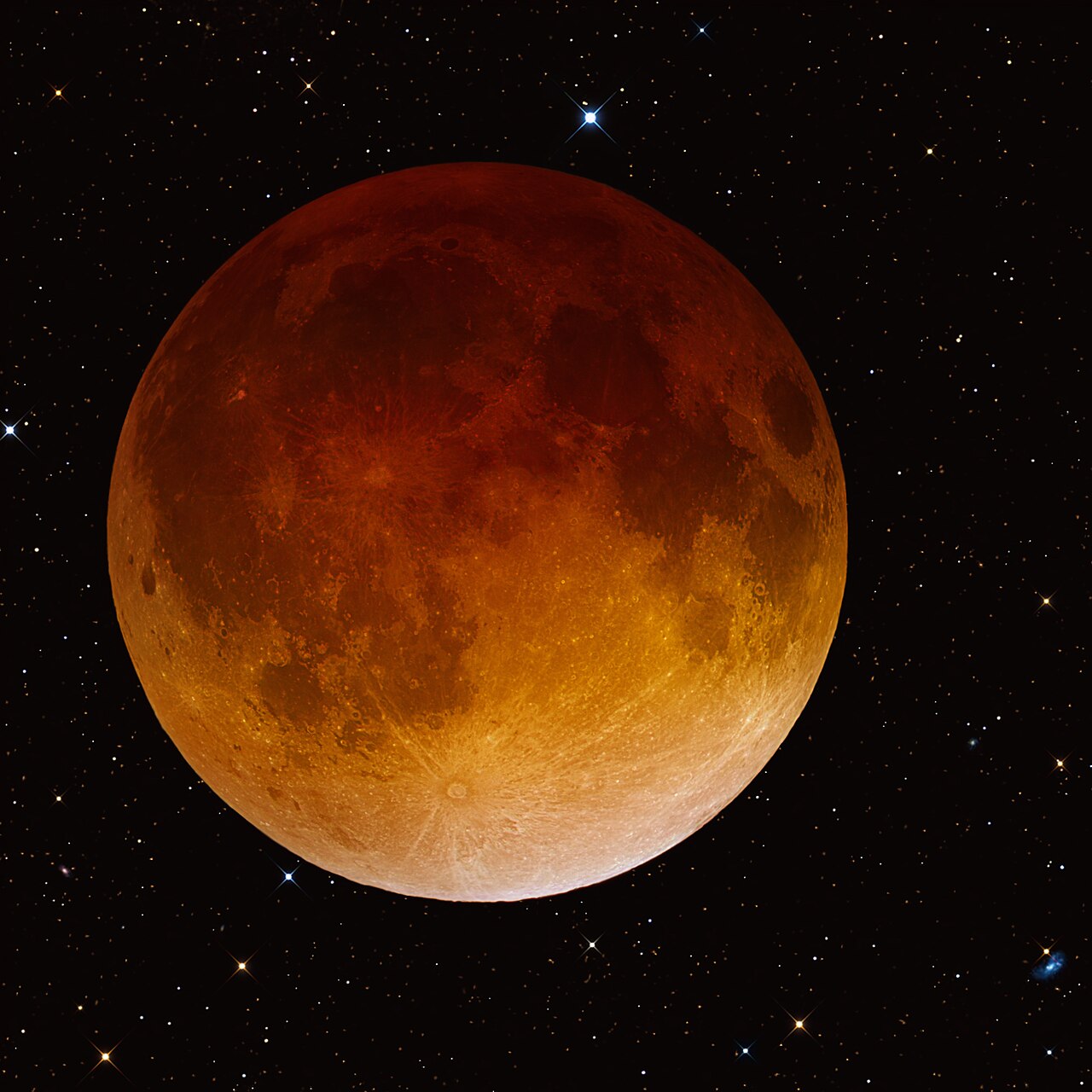
Why Did the Moon Turn Red? Explaining the Total Lunar Eclipse
Few celestial events capture the public imagination quite like a total lunar eclipse, especially when the moon takes on an eerie, glowing crimson hue. This breathtaking spectacle, often dubbed a "blood moon," transforms our familiar lunar neighbor into an otherworldly orb, painting the night sky with shades of orange, russet, and deep red. If you've ever witnessed this phenomenon or seen stunning images of a captured blood moon, you've likely wondered: what cosmic mechanics are at play to create such a mesmerizing sight?
Beyond its striking appearance, the blood moon carries a rich tapestry of scientific explanation, human awe, and photographic ambition. From dedicated skywatchers braving pre-dawn hours to professional photographers traveling vast distances, the desire to witness and preserve this momentary shift in the lunar landscape is universal. Let's delve into the science behind this incredible event, explore memorable instances where it was beautifully captured blood moon, and prepare you for the next opportunity to gaze upon this extraordinary celestial show.
The Celestial Ballet: Understanding a Total Lunar Eclipse
At its heart, a total lunar eclipse is a grand alignment of three celestial bodies: the Sun, Earth, and Moon. For this dramatic event to occur, the Earth must position itself directly between the Sun and a full moon. When this perfect alignment happens, the Earth casts a shadow that completely engulfs the moon, momentarily obscuring it from direct sunlight.
The Earth's shadow actually has two distinct parts:
- Umbra: This is the inner, darkest part of the shadow, where direct sunlight is entirely blocked. When the moon enters the umbra, the eclipse truly begins to deepen.
- Penumbra: This is the outer, lighter part of the shadow, where the Earth only partially blocks the sun's light. The moon appears slightly dimmed as it passes through the penumbra, often a subtle prelude to the main event.
During a total lunar eclipse, the moon passes entirely into the Earth's umbra. However, instead of vanishing completely into darkness, it takes on its characteristic red glow. This is where the magic truly unfolds, thanks to Earth's dynamic atmosphere.
Why the Moon Turns Red: Earth's Atmospheric Magic
The reason the moon glows red during a total lunar eclipse is due to a phenomenon called Rayleigh scattering, the very same principle that makes our sky appear blue during the day and sunsets red. Here's how it works:
- Sunlight Through Earth's Atmosphere: Even when the moon is fully within Earth's umbra, some sunlight still manages to reach it. This light doesn't travel directly, but rather is bent and filtered as it passes through our planet's atmosphere.
- Scattering of Blue Light: Earth's atmosphere is incredibly effective at scattering shorter-wavelength blue light. This scattered blue light is what we see when we look at a clear daytime sky.
- Red Light Prevails: Longer-wavelength red and orange light, however, is less scattered by the atmosphere and can penetrate more directly. This red light is refracted, or bent, around the edges of the Earth, effectively bathing the eclipsed moon in a gentle, indirect glow.
Think of it as all the sunrises and sunsets from around the world being projected onto the moon's surface simultaneously. The exact shade of red can vary significantly from one eclipse to another, influenced by factors like dust, clouds, and volcanic ash in Earth's atmosphere. A particularly dusty atmosphere might result in a darker, deeper red, while a clear atmosphere could yield a brighter, more coppery hue. This variability adds to the uniqueness of each captured blood moon.
Reliving the Spectacle: Iconic Captured Blood Moon Moments
The allure of the blood moon drives countless individuals to witness and document its beauty. Recent total lunar eclipses have seen dedicated skywatchers and photographers gather in prime locations, eager to secure their own stunning image of the "blood-red moon."
One notable event saw a total lunar eclipse turn the moon blood red across several continents. In Colorado, early Tuesday morning hours brought out photographers across the state, their efforts resulting in an incredible showcase of this celestial phenomenon. From Fountain to Arvada, Castle Rock to Colorado Springs, individuals like Kristin Mae, Nikki Perry Hatle, Mike Skiff, and Paige Huang were up before dawn, some even traveling to iconic spots like the Garden of the Gods viewpoint, to ensure they wouldn't miss the event. The sense of community among these early risers, sharing a quiet vigil under the vast expanse, underscores the profound impact of such natural wonders.
Further afield, the dedication to capture this rare event led some to extraordinary lengths. As demonstrated by one photographer who traveled 1,400 miles to capture the total lunar eclipse of March 3, 2026, from Palm Springs, California. Equipped with specialized gear – including a Celestron 5SE, ZWO ASI294MC, Canon EOS 15000D, and Sigma 150-600mm lens – they produced what they called "one of my finest ever image productions." This level of commitment highlights not just the technical challenge but the artistic passion involved in creating a truly memorable captured blood moon image.
These stories are a testament to the magnetic pull of the blood moon, inspiring observers to stay up all night, scout the best locations, and master their equipment to get that perfect shot.
Tips for Photographing the Next Blood Moon
Inspired by these dedicated photographers? Here are some practical tips if you're hoping to capture your own stunning blood moon image during the next total lunar eclipse:
Essential Gear:
- Camera: A DSLR or mirrorless camera with manual settings is ideal. While a smartphone can capture a wide shot, for detailed close-ups, you'll need more advanced equipment.
- Telephoto Lens: The longer the focal length, the larger the moon will appear in your frame. Lenses in the 300mm to 600mm range are excellent for detailed shots.
- Sturdy Tripod: Absolutely crucial for long exposures to prevent camera shake and ensure sharp images.
- Remote Shutter Release: Minimizes vibrations even further, allowing for crisp captures.
Key Settings and Techniques:
- Manual Mode is Your Friend: Take full control over ISO, aperture, and shutter speed.
- Aperture: Start with a relatively wide aperture (e.g., f/5.6 to f/8) to gather enough light.
- ISO: Begin with a lower ISO (e.g., 200-400) and gradually increase it as the moon darkens, being mindful of noise.
- Shutter Speed: This will be your most adjusted setting. Start with a faster speed during the partial phases and slow it down significantly during totality (e.g., 1-4 seconds). Experiment!
- Focus: Manually focus on the moon. Auto-focus might struggle in low light.
- Location Scouting: Plan your location in advance. Look for clear views, minimal light pollution, and interesting foreground elements to add context to your captured blood moon shot.
- Practice: If possible, practice shooting the full moon a few nights before the eclipse to familiarize yourself with your gear and settings.
Don't Miss the Next Show: When and Where to See It
The rarity of total lunar eclipses makes each occurrence a truly special event. While a partial lunar eclipse might offer a glimpse of the moon dipping into Earth's shadow, the full glory of the blood moon only happens during totality.
For those eager to mark their calendars, the next opportunity to witness a total lunar eclipse in North America is still a few years away. The celestial dance is set to align again, bringing forth another magnificent captured blood moon event. The next total lunar eclipse is not expected until late 2028. Specific dates and visibility will become clearer as the event approaches, so keep an eye on astronomical forecasts.
However, that doesn't mean there aren't other opportunities for sky-gazing. A partial lunar eclipse is expected in August, which could also be visible across North America, Europe, Africa, and West Asia. While not the full "blood moon" experience, it still offers a captivating display of the Earth's shadow playing across the lunar surface. Preparing for these events, whether with specialized photography equipment or simply a pair of binoculars and a warm blanket, ensures you can fully appreciate these remarkable natural phenomena.
The moon turning red during a total lunar eclipse is more than just an astronomical event; it's a profound reminder of our place in the cosmos, a convergence of physics, beauty, and human curiosity. Whether you're a seasoned astrophotographer aiming for that perfect captured blood moon image or simply a casual observer, the magic of the blood moon is an experience that lingers long after the moon returns to its usual silvery glow. So, keep looking up, and prepare to be enchanted by the next celestial performance.