The Next Total Lunar Eclipse: When to See the Blood Moon in 2028
Prepare your calendars and set your alarms, skywatchers! The captivating spectacle of a total lunar eclipse, famously known as the "Blood Moon," is a celestial event that mesmerizes audiences worldwide. While recent years have offered their share of stunning lunar shows, many are now eagerly anticipating the next opportunity to witness the Moon bathed in an ethereal crimson glow. For those in search of the next grand display, mark your calendars for **December 31, 2028**, when a total lunar eclipse is set to grace our skies, offering a spectacular way to ring in the New Year.
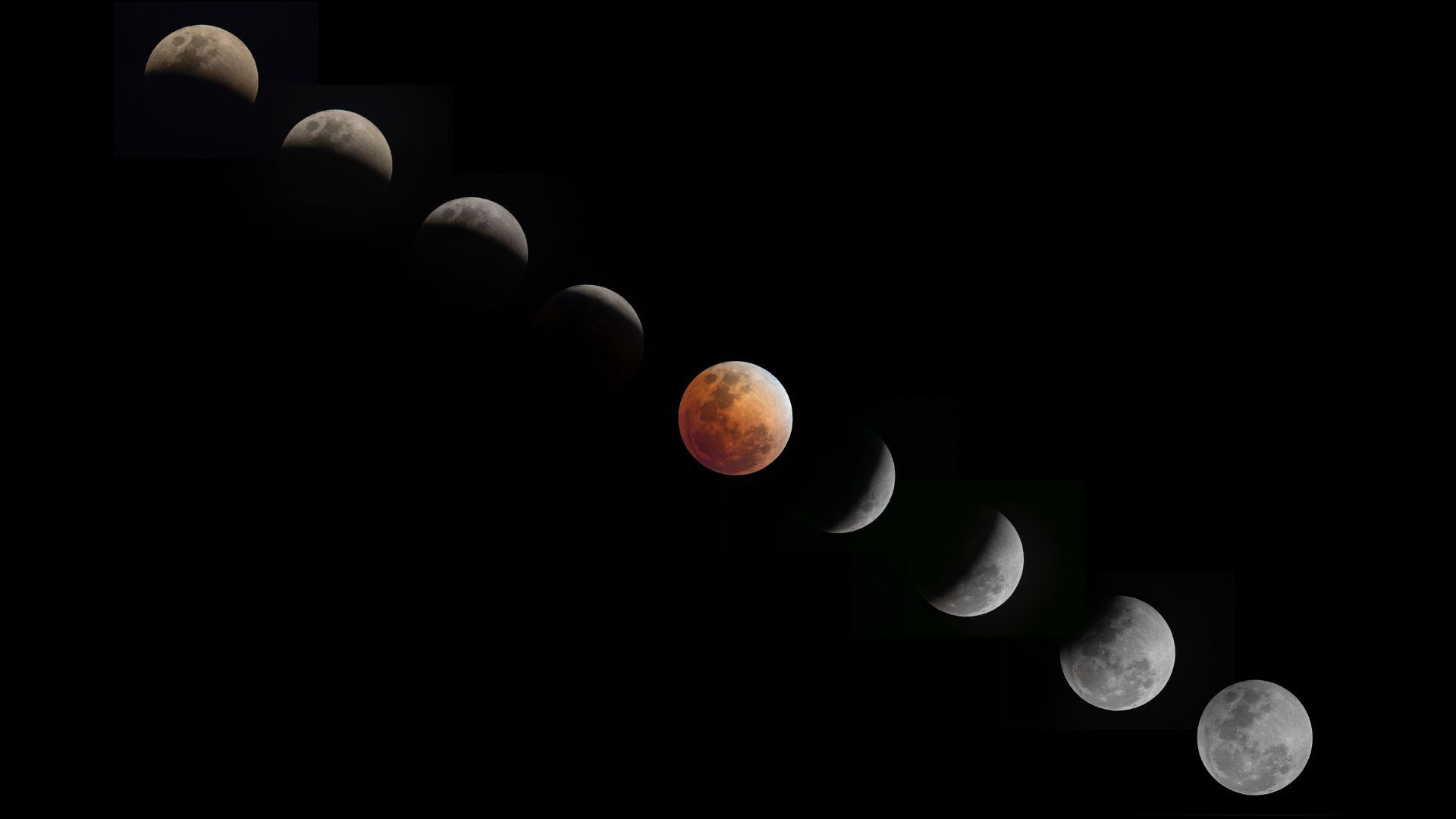
The phenomenon of a Blood Moon transforms our familiar lunar companion into a deep red or orange orb, a sight that has inspired awe and wonder throughout human history. Unlike solar eclipses, which require special protective eyewear, a total lunar eclipse is perfectly safe to observe with the naked eye, binoculars, or a telescope, making it an accessible and deeply rewarding experience for everyone. The beauty of a naturally **captured blood moon** through photography or simply observed with human eyes is truly unmatched, offering a profound connection to the cosmic ballet happening above us.
Decoding the Blood Moon Phenomenon: Why the Moon Turns Red
The dramatic transformation of the Moon into a "Blood Moon" during a total lunar eclipse is a beautiful demonstration of Earth's atmospheric properties. It's a common misconception that the Moon disappears entirely into shadow. Instead, during this event, the Earth positions itself directly between the Sun and the Full Moon, casting a complete shadow, or umbra, over our lunar neighbor.
So, why the fiery red hue? The answer lies in how sunlight interacts with Earth's atmosphere. Even when the Moon is fully within Earth's shadow, some sunlight still manages to reach it. This indirect light is filtered and bent (refracted) by our planet's atmosphere. Just as during a sunset or sunrise, the shorter wavelength blue light is scattered away by gas molecules in the atmosphere (a phenomenon known as Rayleigh scattering), leaving the longer wavelength red and orange light to pass through. This reddish light is then refracted towards the Moon, illuminating it with those stunning, deep red and orange tones that give the Blood Moon its evocative name. The exact shade of red can vary significantly, influenced by factors like dust, clouds, and even volcanic ash in Earth's atmosphere at the time of the eclipse. A clear, pollution-free atmosphere often results in a brighter, more orange moon, while a dustier atmosphere can lead to a darker, deeper red.
Understanding this captivating science only deepens the appreciation for the visual spectacle. For a more in-depth exploration of this celestial marvel, be sure to read our article:
Why Did the Moon Turn Red? Explaining the Total Lunar Eclipse.
The Next Grand Spectacle: December 31, 2028
While astronomy buffs have enjoyed several lunar eclipses in recent years, including spectacular total eclipses like the one widely observed across continents, including Colorado, in November 2022, the next opportunity for a truly widespread, easily observable total lunar eclipse in many parts of the world will be on **December 31, 2028**. This New Year's Eve event promises to be a memorable way to conclude the year, offering a chance for many to witness the full glory of a Blood Moon.
Specific visibility details (start, totality, and end times, along with precise geographic regions of visibility) will become more broadly publicized closer to the date. However, a total lunar eclipse on such a significant date provides a unique opportunity for celebration and communal viewing. Imagine ringing in the new year under the mesmerizing glow of a crimson moon – it's an experience that transcends mere observation, becoming a cherished memory.
While the 2028 event is a major highlight, it's worth noting that other total lunar eclipses will occur before then, notably in 2025. Specifically, total lunar eclipses are predicted for **March 14, 2025**, and **September 7, 2025**. These events will offer their own unique viewing opportunities depending on your location. However, the December 2028 eclipse stands out as the next major total lunar eclipse often highlighted for its widespread visibility and dramatic timing, making it a highly anticipated event.
Capturing the Elusive Blood Moon: Tips for Astrophotographers
For many, witnessing a Blood Moon isn't enough; they want to preserve its ephemeral beauty through photography. The challenge and reward of successfully having **captured a blood moon** image are immense, yielding stunning photographs that stand as a testament to both nature's grandeur and the photographer's skill. From professional astrophotographers to amateur enthusiasts, the pursuit of that perfect shot is a powerful motivator.
Photographers across the globe, including those in Colorado who *captured blood moon* images during the November 2022 event, and individuals who traveled great distances, like the photographer who journeyed to Palm Springs, California, to capture the March 3, 2026 partial lunar eclipse, all demonstrate the dedication required. Their stunning results, often achieved after staying up all night, battling cold temperatures, or scouting locations well in advance, inspire others. These efforts highlight that while the event is fleeting, the images can last a lifetime. Check out some of these incredible shots and stories in our related article:
Colorado's Blood Moon: Stunning Lunar Eclipse Photos Revealed.
If you're planning to photograph the 2028 Blood Moon, here are some essential tips:
1. **Gear Up:**
*
Sturdy Tripod: Absolutely crucial for long exposures to prevent camera shake.
*
Telephoto Lens: Essential for getting a detailed shot of the Moon. A focal length of 300mm or more is ideal.
*
Remote Shutter Release: Minimizes camera shake from pressing the shutter button.
*
Spare Batteries: Cold temperatures can drain batteries quickly.
2.
Settings for Success:
*
Manual Mode (M): You need full control.
*
Aperture (f-stop): Start with a wide-open aperture (e.g., f/2.8 or f/4) to let in maximum light.
*
ISO: Begin with a moderate ISO (e.g., 800-1600) and adjust as needed. During totality, you might need higher ISOs (3200-6400).
*
Shutter Speed: This is the trickiest. During the brighter partial phases, you'll use faster speeds (e.g., 1/125s - 1/500s). During totality, the Moon dims considerably, requiring much slower speeds (e.g., 0.5s - 5s). Experiment and bracket your shots!
*
Focus: Manually focus to infinity. Use Live View on your camera to zoom in on a bright star or the Moon itself to achieve sharp focus.
3.
Plan Your Shot:
*
Location Scouting: Find a spot with an unobstructed view of the horizon where the Moon will be. Avoid light pollution as much as possible.
*
Weather Check: Clear skies are a must.
*
Timing: Know the exact start, totality, and end times for your location. The Moon's appearance changes throughout the eclipse.
*
Composition: Consider including foreground elements like trees, mountains, or cityscapes to add context and scale to your **captured blood moon** image.
Beyond 2028: Other Lunar Events to Watch
While 2028 holds a special place for a significant total lunar eclipse, the sky is always active. Astrophotographers and casual observers should keep an eye out for other lunar events. As mentioned, 2025 offers two total lunar eclipses (March 14 and September 7). There will also be partial lunar eclipses, which, while not as dramatic as totality, still offer fascinating views as only part of the Moon enters Earth's umbra. These events provide continuous opportunities to hone your skywatching skills and prepare for the next major Blood Moon. Each eclipse, whether total or partial, offers a unique perspective on our cosmic neighborhood and the intricate dance of celestial bodies.
Conclusion
The anticipation for the next total lunar eclipse, the spectacular Blood Moon of December 31, 2028, is steadily building. Whether you plan to stay up late, gather with friends and family, or embark on a photographic expedition to capture its ethereal beauty, this celestial event promises to be a highlight for skywatchers around the globe. Understanding the science behind its crimson glow and equipping yourself with the right viewing or photography tools will only enhance your experience. So, mark your calendars, prepare your gear, and get ready to witness one of nature's most stunning displays as the Moon turns blood red, offering a truly unforgettable way to welcome the new year.